Premier Fixtures Exotic Betting Guide: Wheel Strategies for Big UK Meetings
 Available in US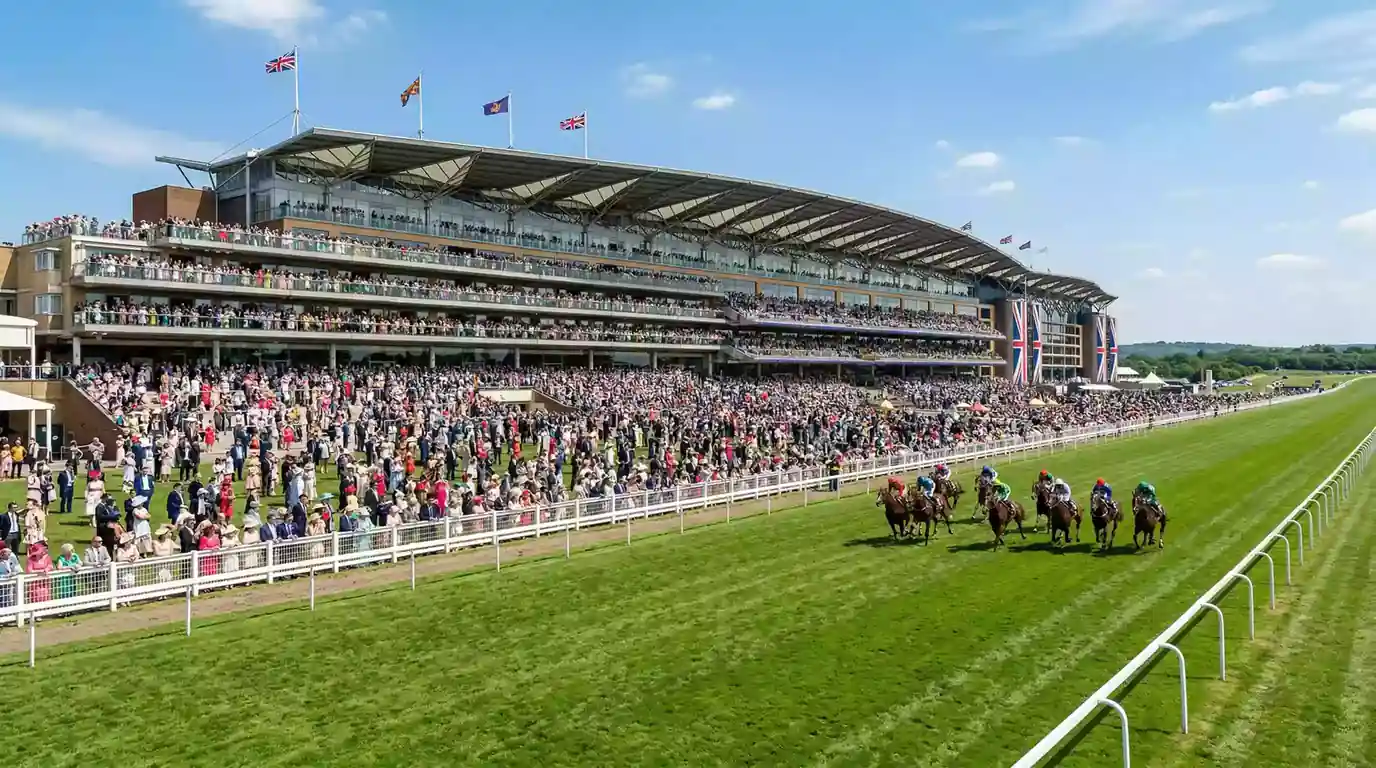
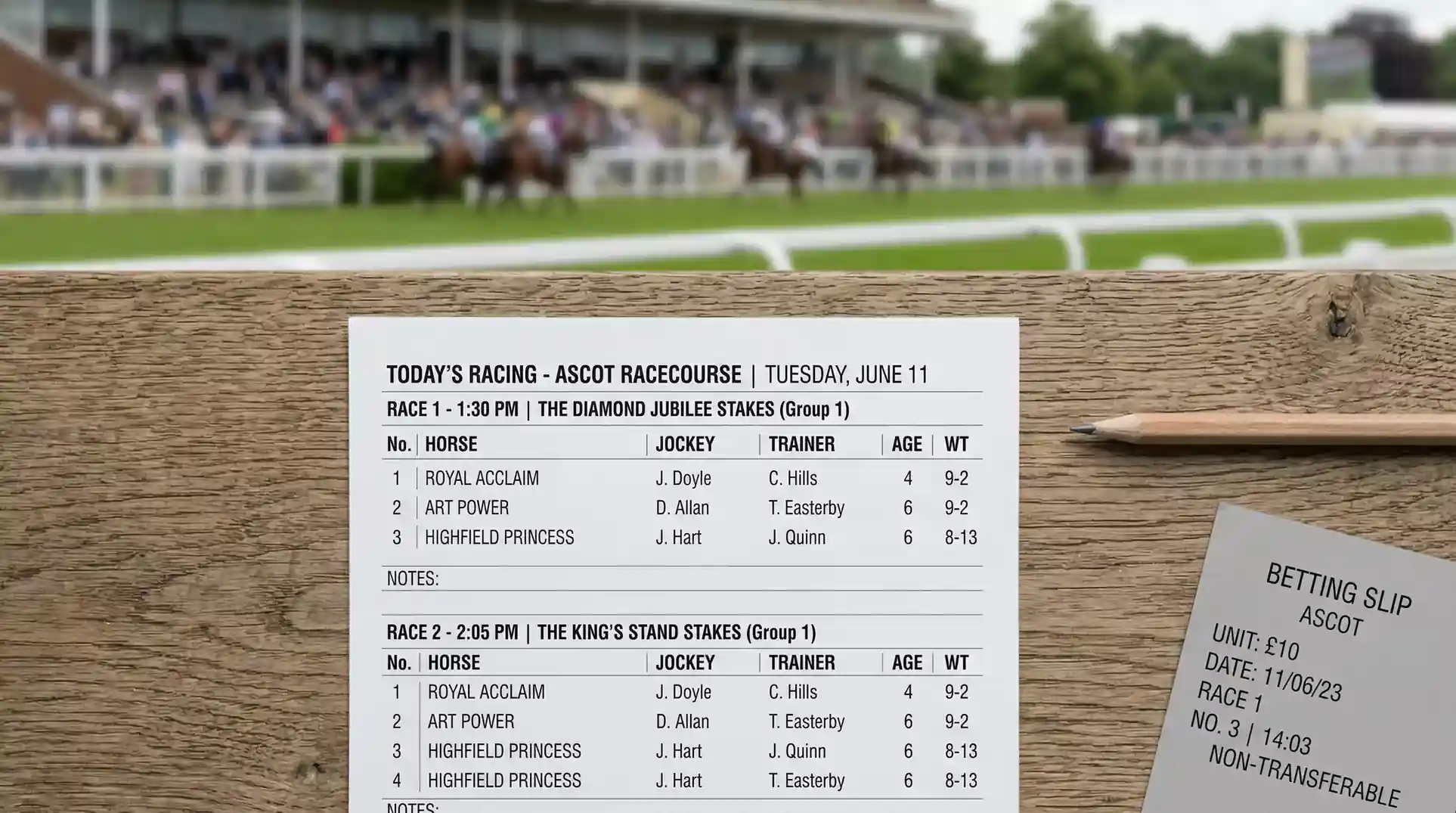
My best single-day return from exotic bets came at Royal Ascot – three trifecta wheels across the card, two of them landing, total outlay 185 pounds, total return 940. The margins were comfortable because everything that makes Premier fixtures ideal for exotics was working in my favour: large fields, deep pools, competitive races that produce surprising finishing orders. Premier meetings are not just the pinnacle of UK racing quality – they are the best environment for wheel betting by almost every measurable metric.
Why Premier Meetings Suit Exotic Betting
Premier Flat fixtures averaged 11.02 runners in 2025, up from 10.86 the year before. Compare that to the overall Flat average of 8.90 and the competitive advantage is clear. Larger fields produce more combinations, which means higher ticket costs – but they also produce more possible outcomes, which spreads the pool across a wider range of finishing permutations and pushes dividends higher on any result that is not heavily backed.
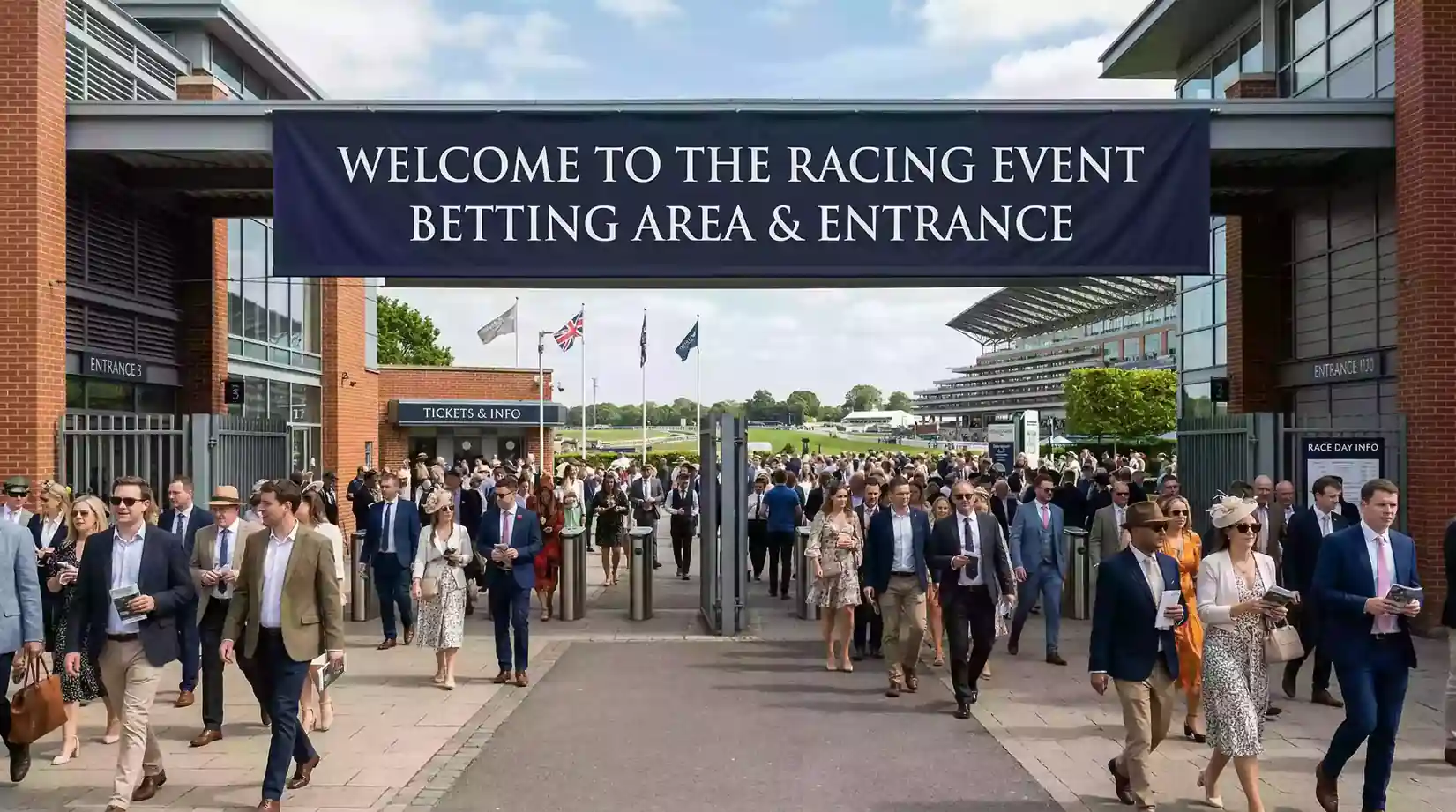
Attendance at UK racing reached 5.031 million in 2025, the first time above 5 million since 2019. Premier fixtures capture a disproportionate share of that attendance, which translates directly into on-course betting volume and deeper Tote pools. The more people betting into the pool, the more money there is to distribute after the 25% deduction. A Trifecta pool at Royal Ascot might hold ten times the volume of the same pool at a midweek core meeting. That depth produces dividends that are both larger in absolute terms and more stable in their behaviour.
The quality of competition at Premier meetings also works in exotic bettors’ favour. When the best horses in training meet each other, the results are harder to predict. Group 1 races with five genuine contenders, heritage handicaps with 20 runners and a wide-open market – these are the conditions that generate the high-paying trifecta dividends that make wheel bets worthwhile.
Wheel Bet Structures for Large-Field Premier Races
Large fields demand structural adaptation. A one-key trifecta wheel on a 16-runner handicap costs 210 combinations at a pound – 210 pounds on a single race. That is beyond most per-race budgets. Ascot’s record prize fund hit 17.75 million pounds in 2025, with the King George alone worth 1.5 million, and the competitive racing those purses attract produces the large fields that require careful wheel construction.
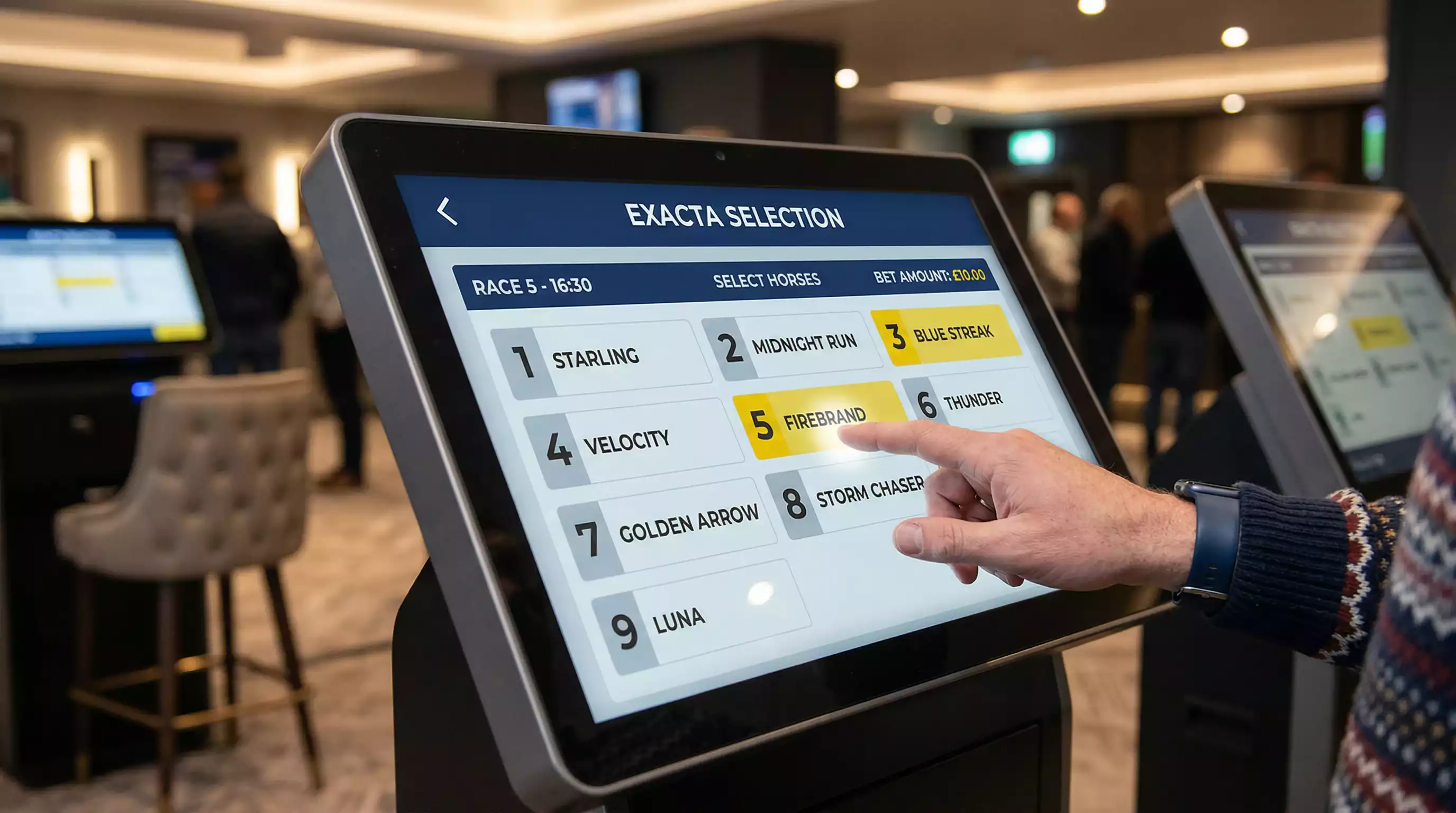
My default structure at Premier meetings is a one-key part wheel: key horse in first, four to five selected runners through second, full field through third. On a 16-runner race with five second-place selections, that gives 5 x 14 = 70 combinations – a third of the full wheel cost while retaining substantial coverage. The key horse absorbs the most important decision. The second-place restriction is where my form study earns its keep. Third place is left open to the field because predicting the third finisher in a 16-runner handicap is close to random.
For Group 1 races with smaller fields – typically 8 to 12 runners at Premier meetings – full wheels become more viable. A 10-runner Group 1 costs 72 combinations for a one-key trifecta wheel, which fits comfortably within a 75 to 100-pound per-race budget. These races also tend to produce more structured form, making key horse selection more reliable. The combination of manageable cost and stronger form conviction makes Group 1 trifecta wheels one of the highest-value plays on the Premier calendar.
Heritage handicaps deserve special mention. The Royal Hunt Cup at Ascot, the Cambridgeshire at Newmarket, the Ebor at York – these historic races attract maximum fields of 20-plus runners, enormous pool sizes, and wide-open markets where surprise results are the norm rather than the exception. I never play a full wheel on these races; the cost would be absurd. Instead I build aggressive part wheels with one key horse, three or four runners for second, and six or seven for third. The ticket cost stays between 50 and 90 pounds depending on the structure, and the tricast dividends on these races regularly reach four figures when an outsider fills one of the frame positions.
Pool Depth at Premier Fixtures: Bigger Volume, Stabler Dividends
Kevin Walsh, Racing Director at the Racecourse Association, noted that prize money levels in British racing continue to increase, with the 3.5% annual rise representing strong investment in the sport. That investment attracts owners and trainers who produce better horses, which attracts larger crowds, which generates deeper pools. The virtuous cycle is most visible at Premier meetings.
World Pool connectivity amplifies the effect further. World Pool turnover grew 20% in 2025 to reach HK$10.9 billion, and many Premier UK fixtures are connected to this global network. When your exotic bet enters a World Pool rather than a domestic Tote pool, the liquidity multiplies and the dividend characteristics improve. Volatility decreases, extreme compression of dividends on popular results becomes less severe, and the payout on unexpected results is larger and more consistent.
I plan my annual exotic betting calendar around the Premier fixture list. Royal Ascot in June, the July meeting at Newmarket, Glorious Goodwood, the Ebor Festival at York, Champions Day in October – these are the anchor points where I allocate the largest per-race budgets and deploy the most aggressive wheel structures. The midweek cards between them get modest exotic play, focused on part wheels and straight forecasts rather than full trifecta wheels.
The Premier fixture calendar is also where I do the majority of my positive P&L for the year. The midweek cards serve as low-cost practice and keep me engaged with form, but the real returns come from six or seven concentrated blocks of Premier racing where pools are deep, fields are large, and the dividend potential justifies the ticket cost. If you are going to play exotics seriously, build your strategy around these meetings. Everything else is supplementary. For the full cost tables and formulas that apply to every field size at Premier meetings, the main wheel bet calculator guide covers every structure from exacta through superfecta.
Are exotic bet pools deeper at Premier fixtures than at ordinary meetings?
Yes, substantially. Premier fixtures attract larger crowds, higher betting volumes and often World Pool connectivity. Tote exotic pools at Premier meetings can hold ten or more times the volume of the same pools at core midweek meetings. Deeper pools produce more stable dividends and reduce the risk of a winning combination paying less than your ticket cost.
Do Premier Flat meetings connect to the World Pool?
Many do. Royal Ascot, Champions Day, the Ebor Festival and selected Group 1 cards regularly connect to the World Pool operated by the Hong Kong Jockey Club. The schedule varies by season and is agreed between the UK Tote operator and the HKJC. World Pool connectivity adds global liquidity to the pool, which further deepens dividends and reduces volatility for UK exotic bettors.
Written by the editors at Horse Racing Wheel bet Calculator.